


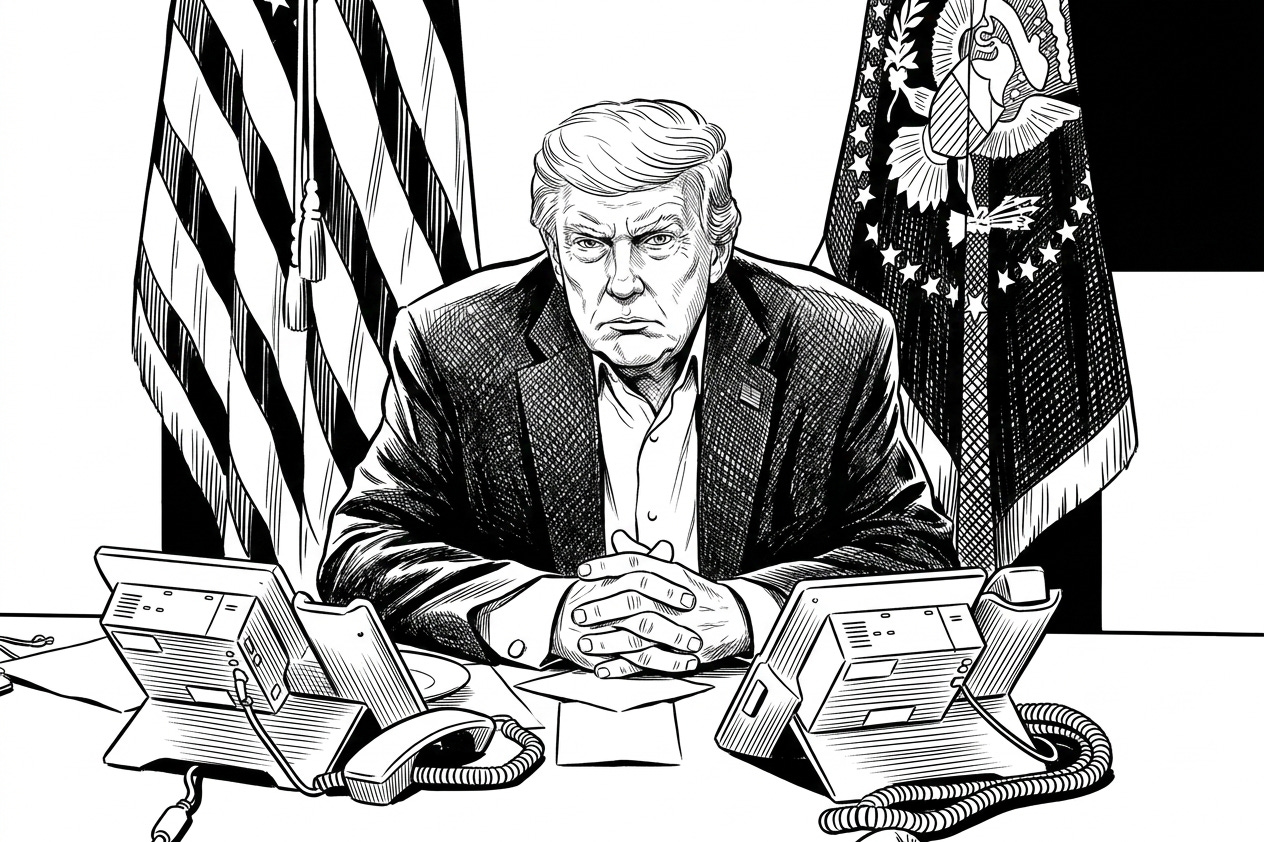
The United States is currently engaged in active military operations against Iran with Israel. The armed conflict is costing U.S. taxpayers billions of dollars. According to Al Jazeera, the first 100 hours of military conflict in Iran cost the U.S. $3.7 billion. Since the start, the price has continued to increase by the billions in what is becoming another endless war in the Middle East with no endgame plan. Good thing that the U.S. has no problems or citizens that need support that could be handled by the amount of money used in these military actions, right? Wrong. Let’s talk about it.
The United States government is wasting billions on a war with Iran
Operation Epic Fury launched on Feb. 28 with military strikes in multiple cities across Iran. The attack killed the Iranian Supreme Leader Ayatollah Ali Khamenei. After the initial blitz that cost taxpayers $3.7 billion, reports show that the ongoing conflict is costing between $891 million and $1 billion a day. In total, it is estimated that the war has already cost the U.S. $5.7 billion. That doesn’t account for the $2 billion in military equipment losses, including fighter jets and radar systems.
The conflict is expected to run for two months, meaning that the final cost of this war could be between $50 billion and $210 billion. That is a lot of money for an armed conflict that a majority of Americans do not support. So, what could that money be used to do?
The amount already spent could help U.S. citizens in need
Data shows that $5.7 billion could fund Supplemental Nutrition Assistance Program (SNAP) benefits for 2 million people for an entire year. One Tomahawk missile, which costs $2.2 million, could provide meals for 3,600 children through the National School Lunch Program. So far, it is estimated that the U.S. has launched around 400 Tomahawk missiles into Iran for a total of $880 million. That would pay for 1.4 million children to access lunch at school.
For healthcare, the original $5.7 billion could be used to help millions of children on Medicaid get the health insurance they need. It could also do the same for millions of adults who rely on Medicaid.
The Big Beautiful Bill that Republicans passed last year included deep cuts to both Medicaid and SNAP. The cuts were made to offset tax cuts for the ultra-wealthy that were passed during President Trump’s first term in 2017.
The estimated full cost of the two-month conflict could help even more
On the low-end, the $95 billion it would cost for the full conflict could pay for the Affordable Care Act (ACA) subsidies that 22 million Americans rely on for health insurance. Without the subsidies, which Republicans refused to approve last year, millions of Americans are losing health insurance because of the spike in premiums.
On the high-end, if the war ends up costing $210 billion, the impact of the money would be even more transformative in the U.S. Current estimates show that it would cost the U.S. government $177 billion to pull every person in the U.S. out of poverty. Imagine the government using money to better the lives of Americans as opposed to helping a foreign nation go to war with an enemy.
The conflict is costing Americans more than health care and food assistance. The collateral damage, like the rising price of oil, is already costing people more at the gas pumps, with gas averaging more than $3 a gallon. The war has made the Strait of Hormuz so dangerous that private insurance companies will not insure tankers responsible for transporting oil and natural gas. The U.S. is now giving $20 billion in taxpayer-funded shipping insurance to try to offset the consequences of the ill-informed military actions.
President Trump campaigned on lowering prices and not starting new wars. So far, he has spent his second term doing the exact opposite.